About
Kenji Shimizu
Senior Scientist
Kochi Institute for Core Sample Research
JAMSTEC
I am a senior scientist at the Kochi Institute for Core Sample Research (KOCHI), Japan Agency for Marine-Earth Science and Technology (JAMSTEC). My research centers on the behavior of volatile elements — including water (H₂O), carbon dioxide (CO₂), sulfur, fluorine, and chlorine — in Earth's interior, with the goal of understanding their origin and deep-Earth cycling.
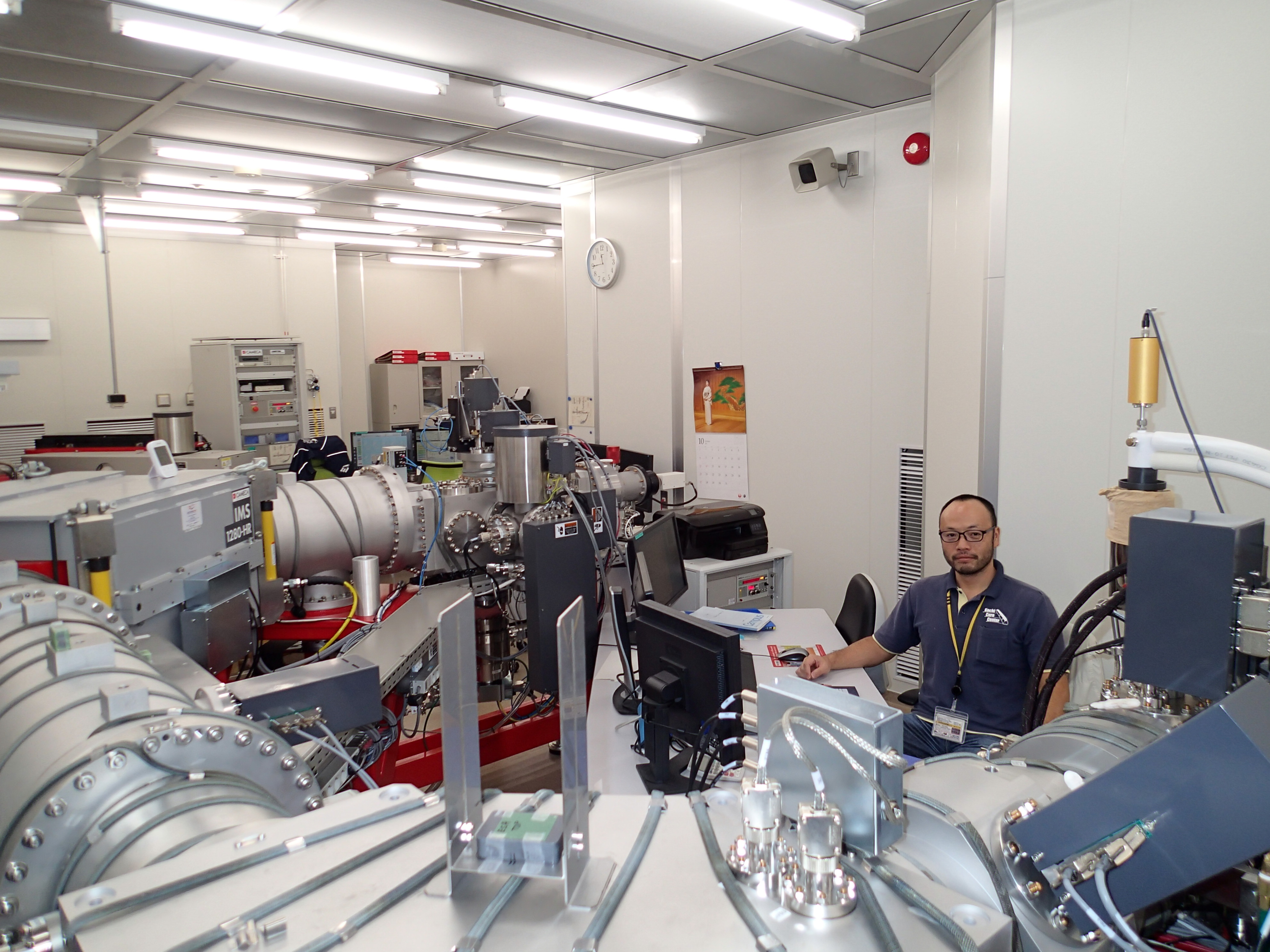
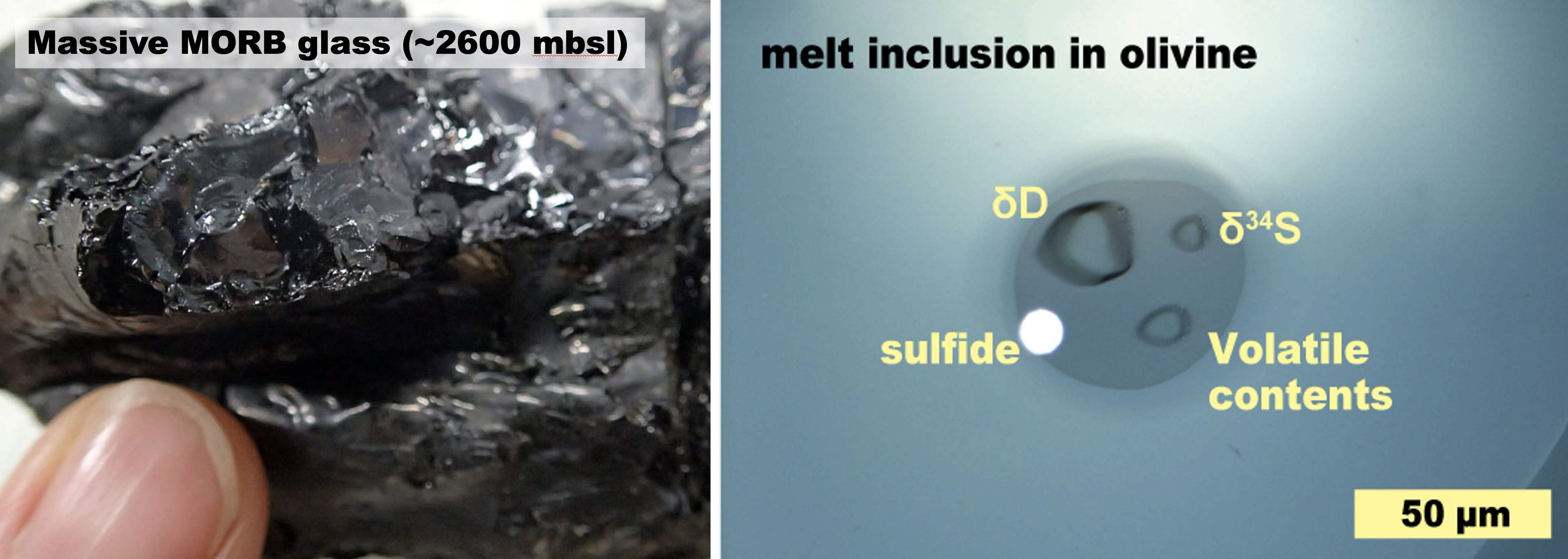
My primary analytical tool is Secondary Ion Mass Spectrometry (SIMS), a microbeam technique that enables in situ isotope ratio and trace-element measurements at the scale of individual minerals, volcanic glasses, and melt inclusions. These tiny "time capsules" trapped within crystals preserve geochemical records of magmas before they degas, making them indispensable archives of the deep volatile budget.
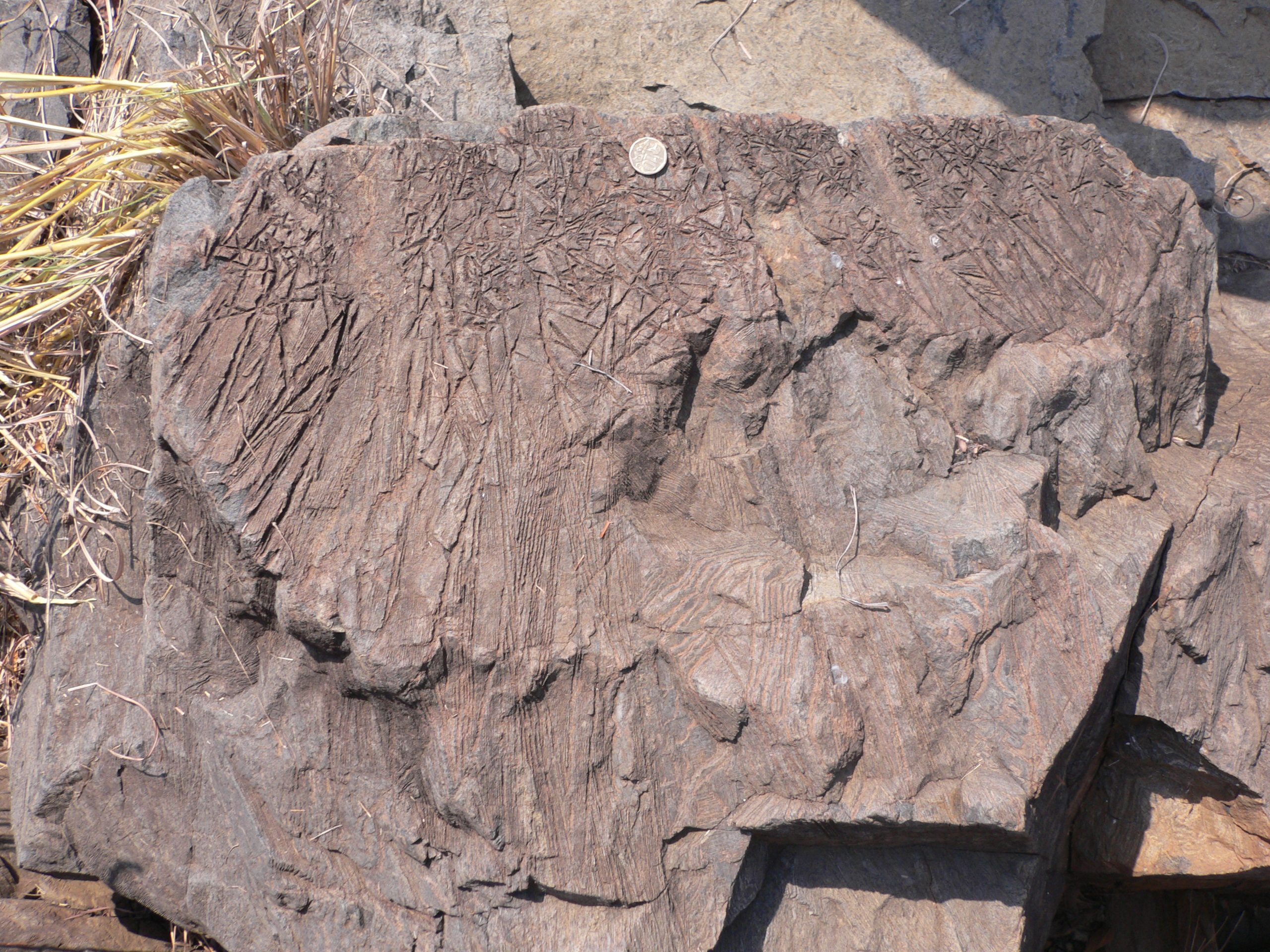
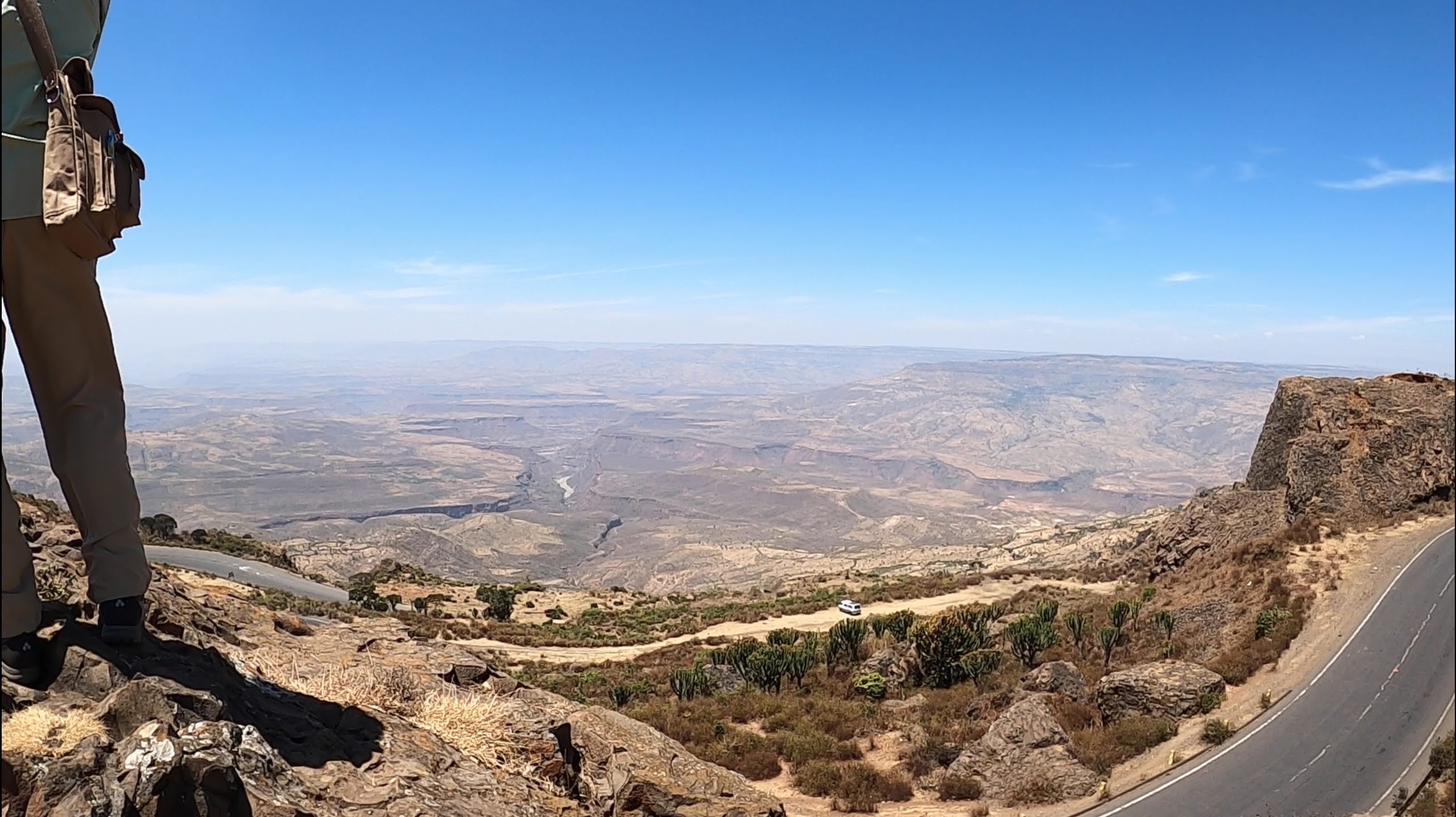
My work spans a wide range of geological systems: subduction zones and arc volcanoes (constraining volatile fluxes and slab-derived contributions), mid-ocean ridges and oceanic plateaus (reconstructing mantle heterogeneity and plume dynamics), and ancient komatiites (tracing early Earth geodynamics). More recently, I have extended my interest to the hydrogen isotope (δD) systematics of magmatic systems, using SIMS-based water and hydrogen measurements to trace the fate of subducted lithosphere into the mantle transition zone.
I am also involved in developing analytical protocols and reference materials for volatile measurement by SIMS, including fluorine, chlorine, sulfur, and water in silicate glasses — work that supports the broader geochemical community.
Research
Quantifying H₂O, CO₂, F, S, and Cl by SIMS across a range of geomaterials — volcanic glasses, melt inclusions, mantle minerals (olivine, pyroxene, bridgmanite), and hydrous minerals such as apatite — to constrain the budget and cycling of volatile elements through Earth's mantle, crust, and surface reservoirs.
Developing and refining SIMS protocols for in situ isotope ratio measurements (H, S) and trace volatile analyses in silicate glasses, including calibration standards and matrix-effect corrections.
Using melt inclusions from arc volcanoes (Japan, Izu-Bonin-Mariana) to trace the transfer of slab-derived volatiles into the mantle wedge and the role of these fluids in arc magma genesis.
Investigating the geochemistry and volatile contents of the Ontong Java Plateau and Shatsky Rise to understand the origin of mantle plumes and their role in Earth's geological history.
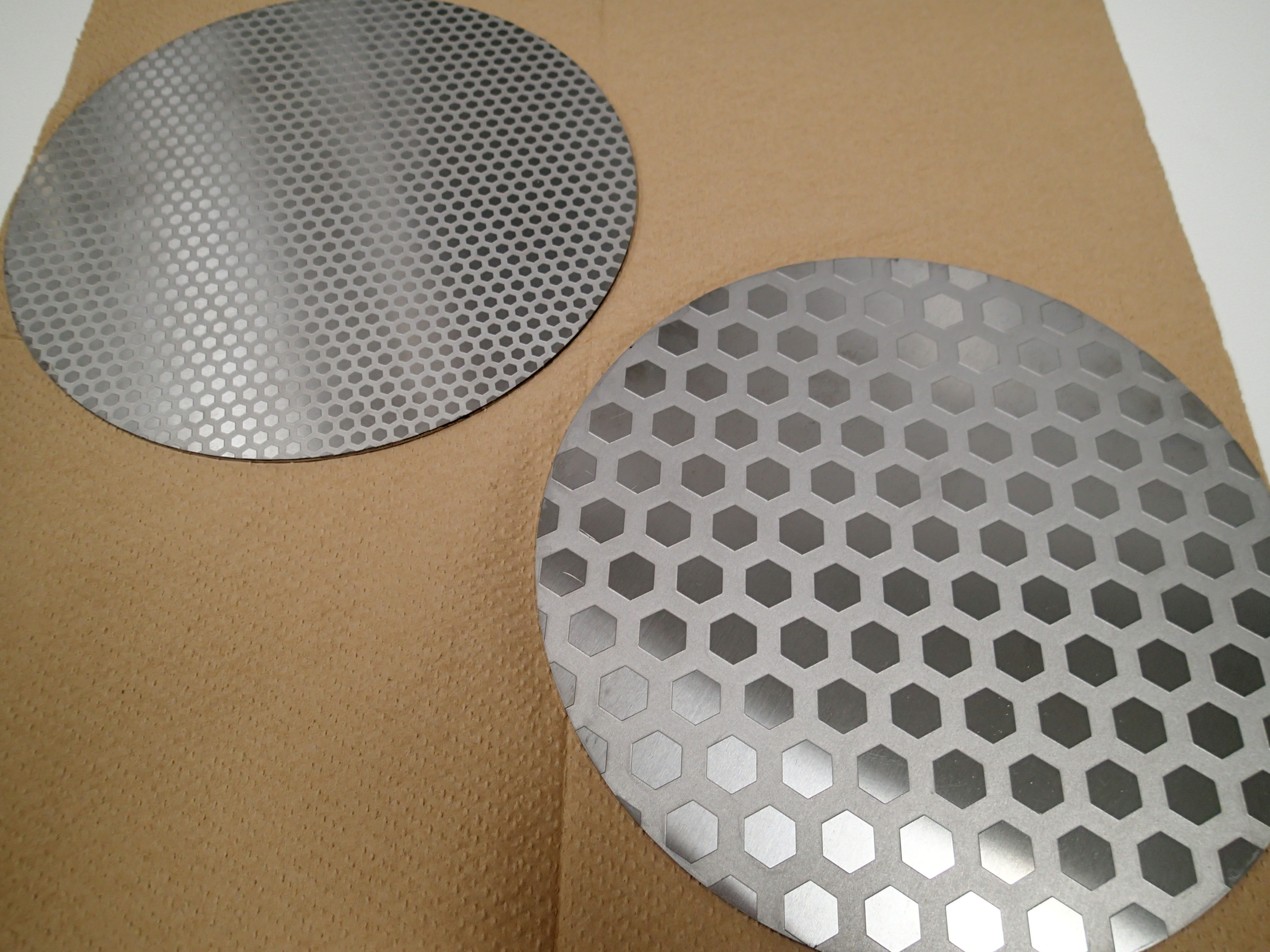
SIMS analysis demands a perfectly flat, mirror-polished surface — yet conventional polishing of rocks (composite materials of minerals with different hardness) is slow, skill-dependent, and prone to "relief" artifacts where soft phases are undercut. I developed a grooved polishing plate with a hexagonal hole pattern that enables anyone to produce a smooth, flat surface quickly and easily using standard lapping films. The method is applicable not only to geological samples but to any composite material, including battery cross-sections and coated surfaces in materials science and industry.
Published: Journal of Society of Automotive Engineers of Japan, Vol.78, No.1 (2024)
Publications
Magmatic evolution and timescales of the Naruko caldera system (NE Honshu): Insight from orthopyroxene and quartz mineral zoning
Journal of Volcanology and Geothermal Research, 467, 108415
Oceanic and Sedimentary Microbial Sulfur Cycling Controlled by Local Organic Matter Flux During the Ediacaran Shuram Excursion in the Three Gorges Area, South China
Geobiology, 22(5)
ND70 Series Basaltic Glass Reference Materials for Volatile Element Measurement and the C Ionisation Efficiency Suppression Effect of Water in Silicate Glasses in SIMS
Geostandards and Geoanalytical Research, 48(3), 637–660
Hydrogen incorporation mechanism in the lower-mantle bridgmanite
American Mineralogist
New evidence for the Ontong Java Nui hypothesis
Scientific Reports, 13(1)
Sulfur isotope and trace element systematics in arc magmas: seeing through the degassing via a melt inclusion study of Kyushu Island volcanoes, Japan
Journal of Petrology, 63(7)
Water enrichment in the mid-ocean ridge by recycling of mantle wedge residue
Earth and Planetary Science Letters, 584, 117455
Modification for the matrix effect in SIMS-derived water contents of silicate glasses ★
Geochemical Journal
Tracing the subducting Pacific slab to the mantle transition zone with hydrogen isotopes
Scientific Reports, 11(1)
Microbial sulfate reduction plays an important role at the initial stage of subseafloor sulfide mineralization
Geology, 49(2), 222–227
Covariation of Slab Tracers, Volatiles, and Oxidation During Subduction Initiation
Geochemistry, Geophysics, Geosystems, 22(6)
Survey of impact glasses in shergottites searching for Martian sulfate using X-ray absorption near-edge structure
Geochimica et Cosmochimica Acta, 313, 85–98
Persistent gas emission originating from a deep basaltic magma reservoir of an active volcano: the case of Aso volcano, Japan
Contributions to Mineralogy and Petrology, 176(1)
Temporal Evolution of Proto-Izu-Bonin-Mariana Arc Volcanism over 10 Myr: Constraints from Statistical Analysis of Melt Inclusion Compositions
Journal of Petrology, 61(1)
Determination of total CO₂ in melt inclusions with shrinkage bubbles
Chemical Geology, 557
Tiny droplets of ocean island basalts unveil Earth's deep chlorine cycle
Nature Communications, 10(1)
In situ analyses of hydrogen and sulfur isotope ratios in basaltic glass using SIMS ★
Geochemical Journal, 53(3), 195–207
Identifying volatile mantle trend with the water–fluorine–cerium systematics of basaltic glass ★
Chemical Geology, 522, 283–294
H₂O, CO₂, F, S, Cl, and P₂O₅ analyses of silicate glasses using SIMS: Report of volatile standard glasses ★
Geochemical Journal, 51(4), 299–313
Simultaneous determinations of fluorine, chlorine, and sulfur in rock samples by ion chromatography combined with pyrohydrolysis ★
Geochemical Journal, 49(1), 113–124
Paleo-elevation and subsidence of ~145 Ma Shatsky Rise inferred from CO₂ and H₂O in fresh volcanic glass ★
Earth and Planetary Science Letters, 383
Flux-Free Fusion of Silicate Rock Preceding Acid Digestion for ICP-MS Bulk Analysis ★
Geostandards and Geoanalytical Research, 35(1), 45–55
CO₂-rich komatiitic melt inclusions in Cr-spinels within beach sand from Gorgona Island, Colombia ★
Earth and Planetary Science Letters, 288(1–2)
The geochemistry of ultramafic to mafic volcanics from the Belingwe greenstone belt, Zimbabwe ★
Journal of Petrology, 46(11)
Discovery of Archean continental and mantle fragments inferred from xenocrysts in komatiites, the Belingwe greenstone belt, Zimbabwe ★
Geology, 32(4)
Cr-spinel, an excellent micro-container for retaining primitive melts ★
Earth and Planetary Science Letters, 189(3–4)
★ = First or corresponding author | Full list available on ResearchMap (60+ papers)
Full Publication List on ResearchMapGallery
Contact
I welcome inquiries from students, collaborators, and colleagues interested in geochemistry, volatile studies, or SIMS analytics. Please feel free to reach out.
Institution
Kochi Institute for Core Sample Research (KOCHI)ORCID
0000-0003-3274-1068